ZOE MASON
Age and Sex Specific Temporal Variation in Mallard Band Recovery Distributions
-
The MAV has the highest concentration of band recoveries for all mallards every year. Many mallards overwinter in the MAV during hunting season.
-
Adult mallards exhibit greater expansion in band recovery distribution areas than juveniles.
-
The hotspot in the central valley of California comes and goes year to year with no apparent pattern for all age and sex classes.
-
The Canadian Rockies are nearly always contained within the contour line representing 75% of band recoveries for all age and sex classes.
-
In the band recovery distributions of juvenile mallards, there are no hotspots remaining in the Pacific flyway by the year 2016. They disappear after 2010.
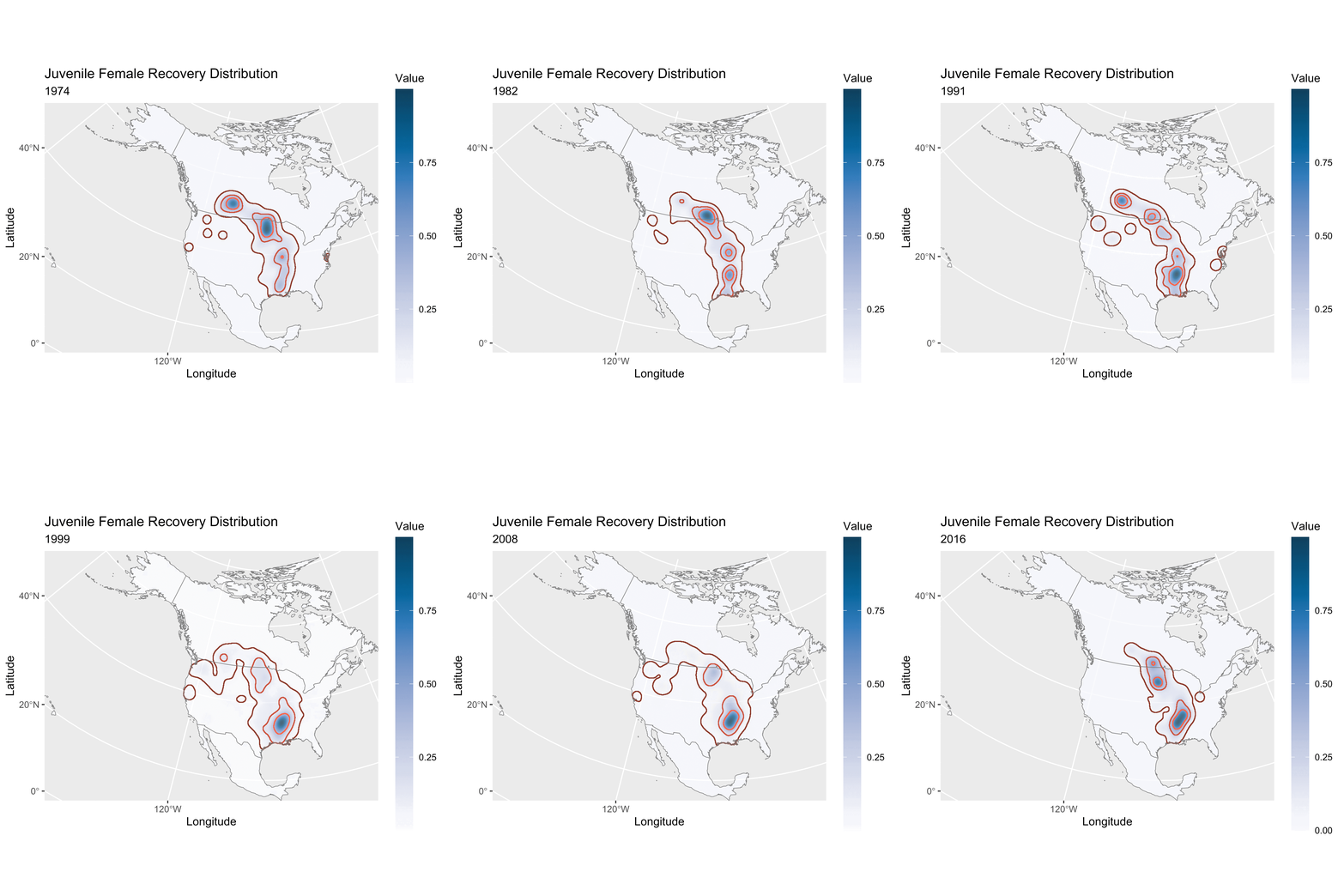
Figure 1. The distribution of band recoveries from juvenile female mallards varies from year to year (1974-2016). Juvenile females have notably more small, isolated hotspots that appear inconsistently than any other age or sex class.
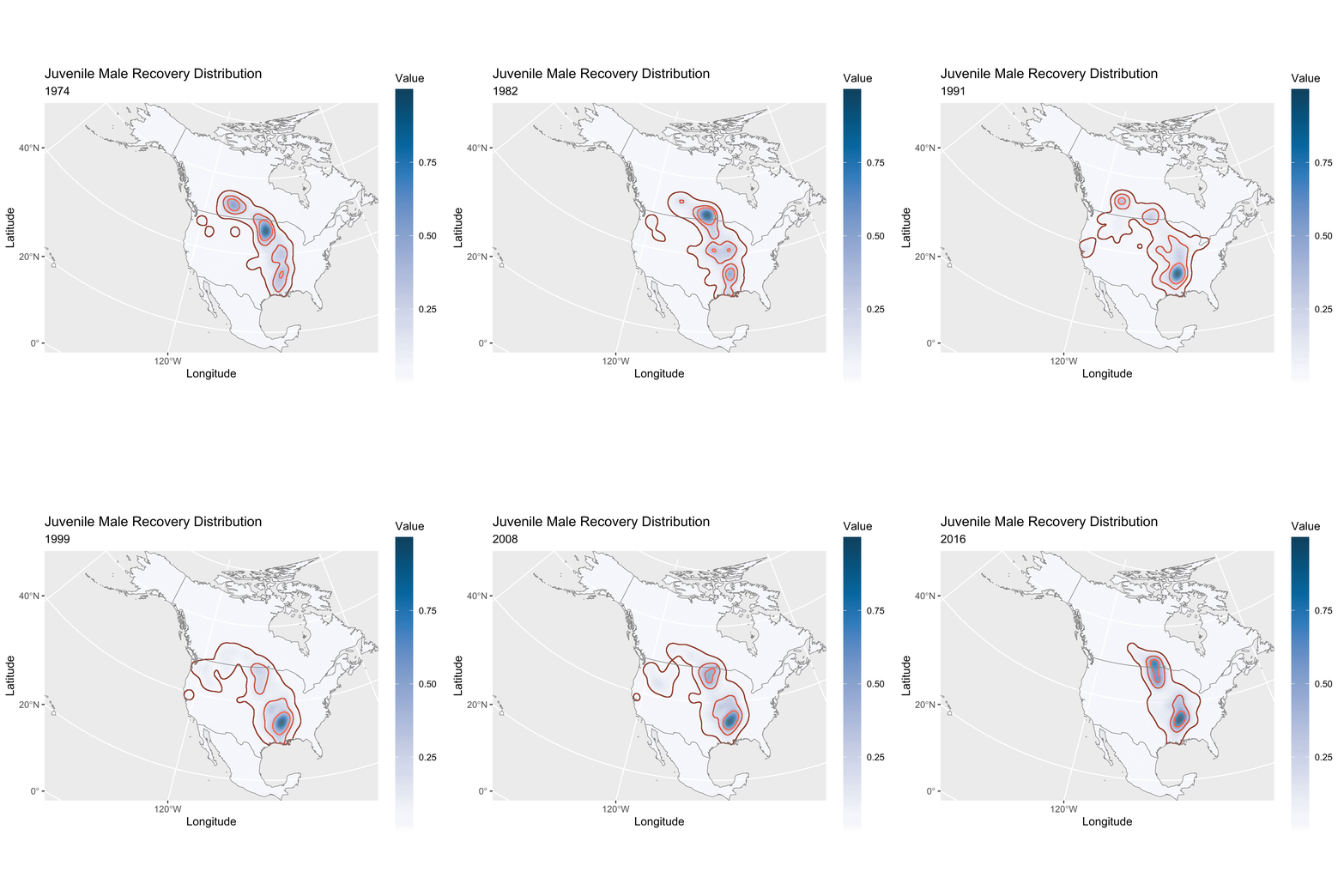
Figure 2. The band recovery distribution of juvenile male mallards fluctuates over the years (1974-2016).
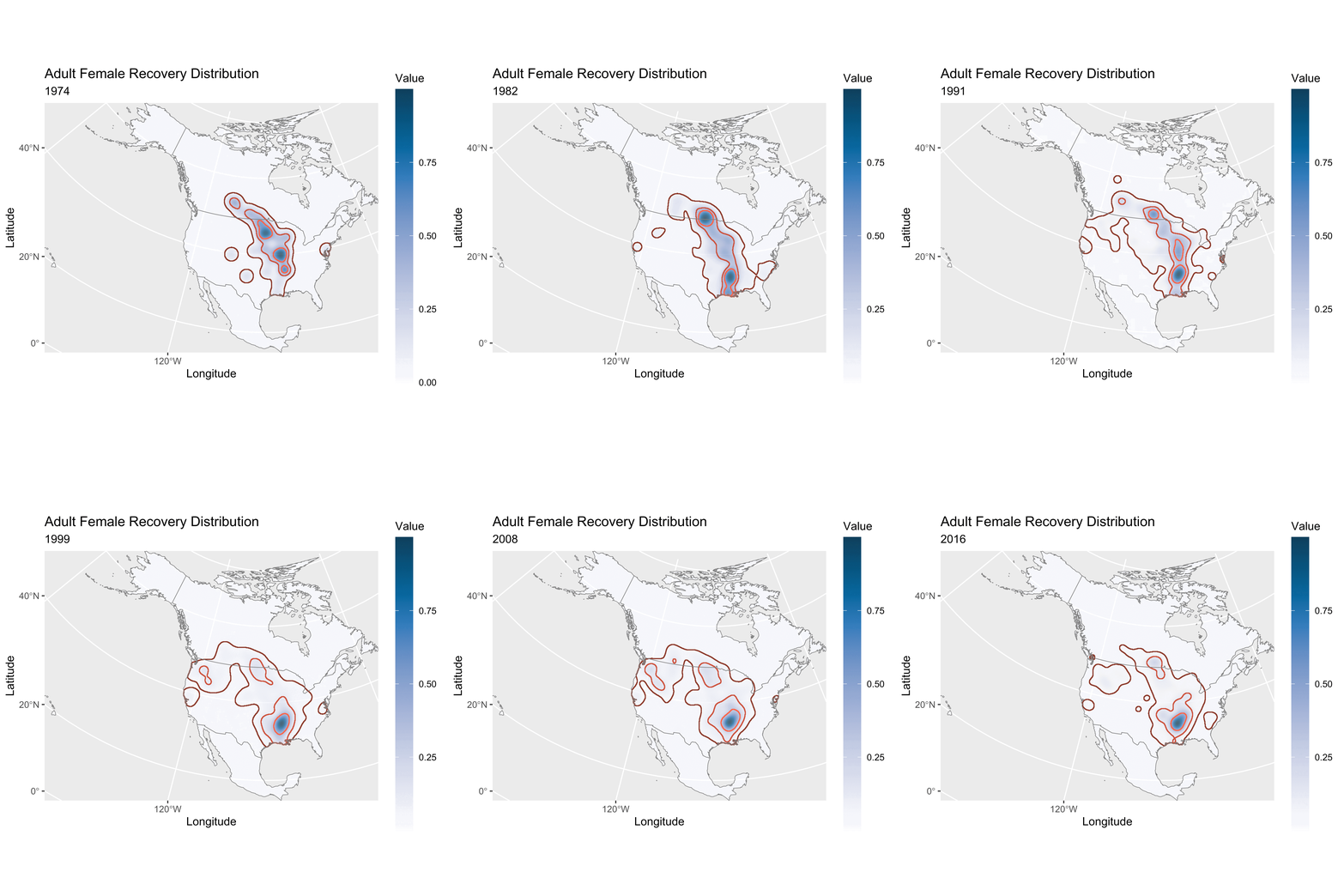
Figure 3. The band recovery distribution of adult female mallards fluctuates annually.
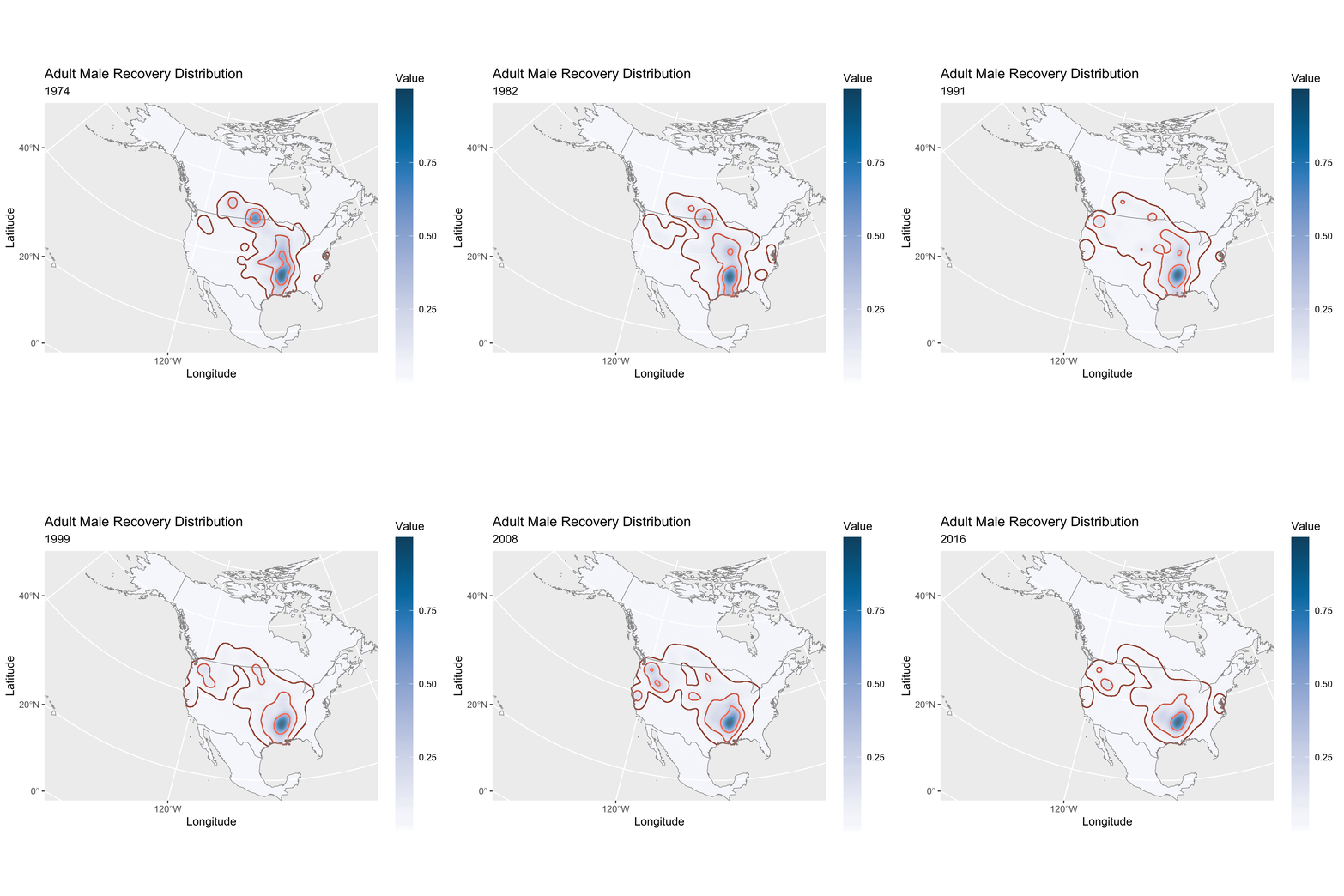
Figure 4. The band recovery distribution of adult male mallards changes from year to year (1974-2016). The band recovery distribution of adult males extends further to the east than females or juveniles—all the way into the Atlantic flyway.